Congratulations to the Veterinary Student Recipients of Our 2026 Compassionate Care Scholarships!October 6, 2026Heather Schrader, RVT, MCJ, CWA HumaneVMA is proud to recognize five veterinary students who demonstrate 'Compassionate Care' to pets and their people through professional and volunteer activities. This marks the fourth year that HumaneVMA has awarded these $10,000 scholarships to veterinary students attending AVMA- accredited schools in North America, the Caribbean and the UK. This year, we are highlighting the recipients’ incredible achievements in their own words. HumaneVMA’s mission is to use its expertise and resources to advance animal welfare via leadership, advocacy, education and service in the veterinary field. We recognize that we cannot advance animal welfare without deliberate and conscious attempts to include more people and more perspectives. These scholarships honor students who exhibit a profound commitment to animal welfare and demonstrate dedication to expanding equitable access and inclusion within veterinary medicine. The awardees contribute to our initiative to create a more sustainable, humane world for all animals from within the veterinary field. 2026 Compassionate Care Scholarship RecipientsElise Weir (she/they)University of Minnesota College of Veterinary Medicine, class of 2029
Through SIRVS, I am honored to learn from our partner communities each and every clinic, and my experiences have reshaped how I think about my future goals as a veterinarian. Ultimately, I plan to specialize in medical oncology and aim to contribute to community medicine through advancing compassionate end-of-life care efforts, allowing those in marginalized, underserved communities to access dignified death care for their beloved pets. I also hope to help bridge the gap between specialty care and community medicine, utilizing my knowledge in medical oncology to serve communities via providing accessible peer-to-peer counseling for general practitioners. Finally, I will champion veterinary hospice services that integrate trauma-informed care practices and increase access to mental health services for those most at need.”
Gracie Hufford (she/her)Colorado State University College of Veterinary and Biomedical Sciences, class of 2028
I work to improve animal welfare directly by volunteering for low-cost care clinics, offering my compassion and technical skills to set families up for long-term success. I also seek to increase opportunities for my peers to become involved in shelter medicine and the welfare scene. I am proud to have initiated a partnership between Cheyenne Animal Shelter and Colorado State University, giving students of all levels a chance to participate in hands-on shelter medicine, welfare, and surgery opportunities.”
Maria Rivera (she/her)University of Wisconsin - Madison, School of Veterinary Medicine, class of 2028
Service to underserved communities has been a consistent theme throughout my education and leadership experiences. I am trying to establish a veterinary outreach initiative alongside faculty mentors that will provide veterinary services to the Menominee Tribal Community in Wisconsin. Modeled after successful access-to-care programs, this initiative seeks to address barriers that have historically limited veterinary services in tribal communities. In addition, my work in diversity, equity, and inclusion programs at UW–Madison has allowed me to mentor students from underrepresented backgrounds and advocate for more inclusive educational environments.”
Maya Faye Gordon (she/her)University of Florida College of Veterinary Medicine, class of 2027
My experiences in disaster response, animal rescue, shelter medicine, and community-based veterinary care have further shaped my understanding of animal welfare. Working with vulnerable animals and underserved communities has shown me how access to veterinary care, education, effective shelter systems, and strong community partnerships can determine whether animals remain healthy, safe, and with the people who love them. These experiences have reinforced my belief that meaningful animal welfare work requires not only treating individual patients, but also addressing the broader barriers that place animals and families at risk. After graduation, I plan to build a South Florida program modeled after Operation Catnip and VCOP. Through grants and partnerships with shelters, clinics, schools, and community organizations, I hope to provide low-cost or no-cost preventive care, spay/neuter services, and bilingual access to care for those families facing financial, geographic, educational, or language barriers.”
Melissa Waltiere (she/her)Midwestern University College of Veterinary Medicine, class of 2028
As I move closer to graduation, I am unwavering in my dedication to build my skills as a veterinary student and to bring those skills, with compassion, as a Doctor of Veterinary Medicine to communities with limited access to care. It is my vision to work in shelter and community medicine, bringing affordable care to forgotten communities and uplifting all people without judgment. I strive to become a veterinarian who decreases suffering in marginalized communities by investing deeply in them, who sees people in their struggle and their strength—a veterinarian who understands the love people have for their pets and brings that love into completion by providing services that were previously inaccessible.”
Click here to read about last year's Compassionate Care Scholarship RecipientsThe HumaneVMA Compassionate Care Scholarships application will be available next year. Contact [email protected] with any questions about the program.
|
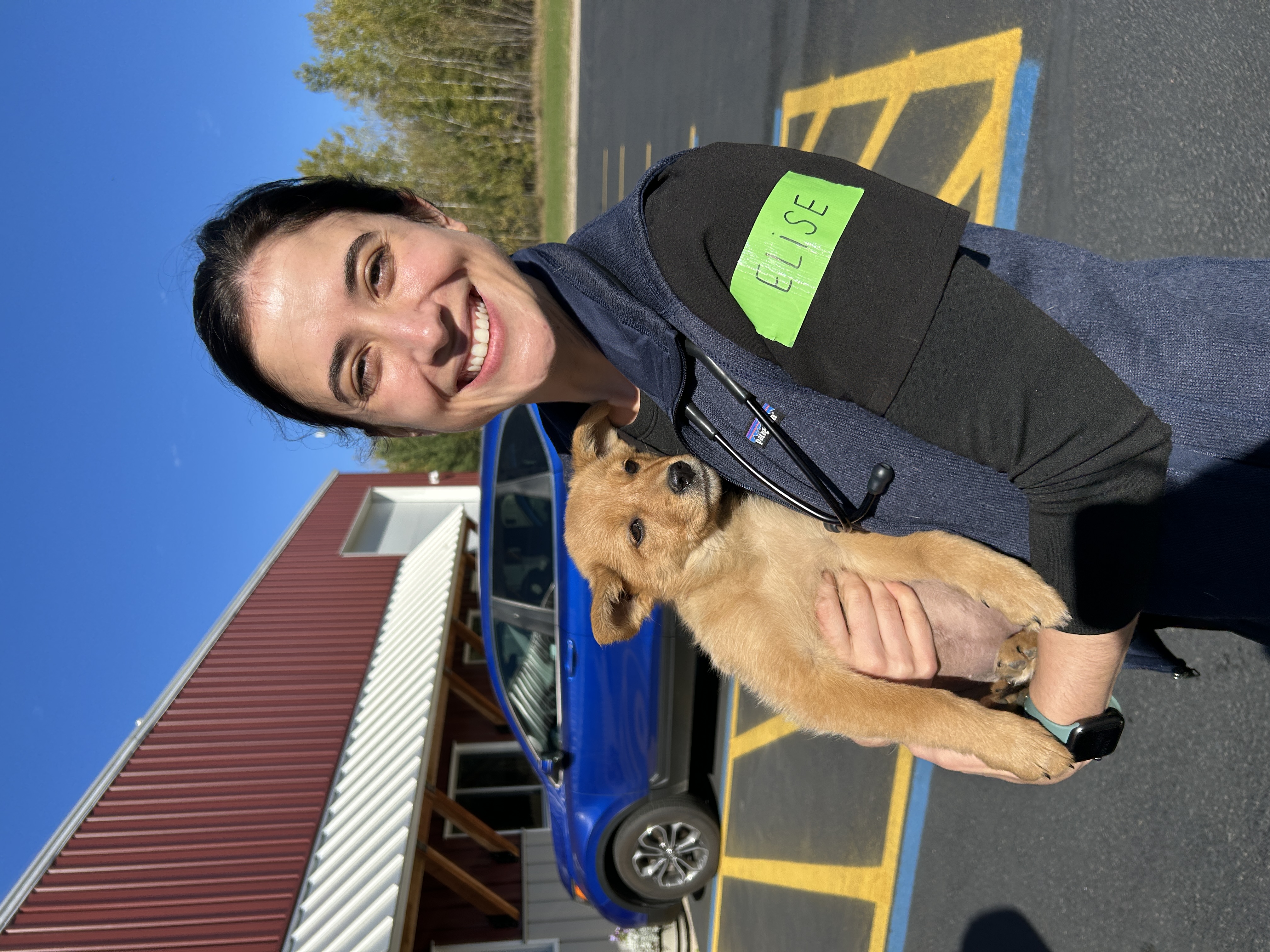 “As a second-career student, community medicine is not only passion; it is intertwined in all that I do and has directed my career-based decision making. Student-led organizations such as the Student Initiative for Reservation Veterinary Services (SIRVS) were a primary reason why I ultimately chose to attend the University of Minnesota’s College of Veterinary Medicine. My love for community programming runs deep: I spent five years working as a researcher within The School District of Philadelphia (SDP), serving high-needs, low-access students across more than 200 schools. My work in Philadelphia taught me innumerable lessons, including one that guides me every day: the communities we serve don’t need us to educate them – they simply require access; access that has been systematically denied, not for lack of ability, but due to the failures of our social systems.
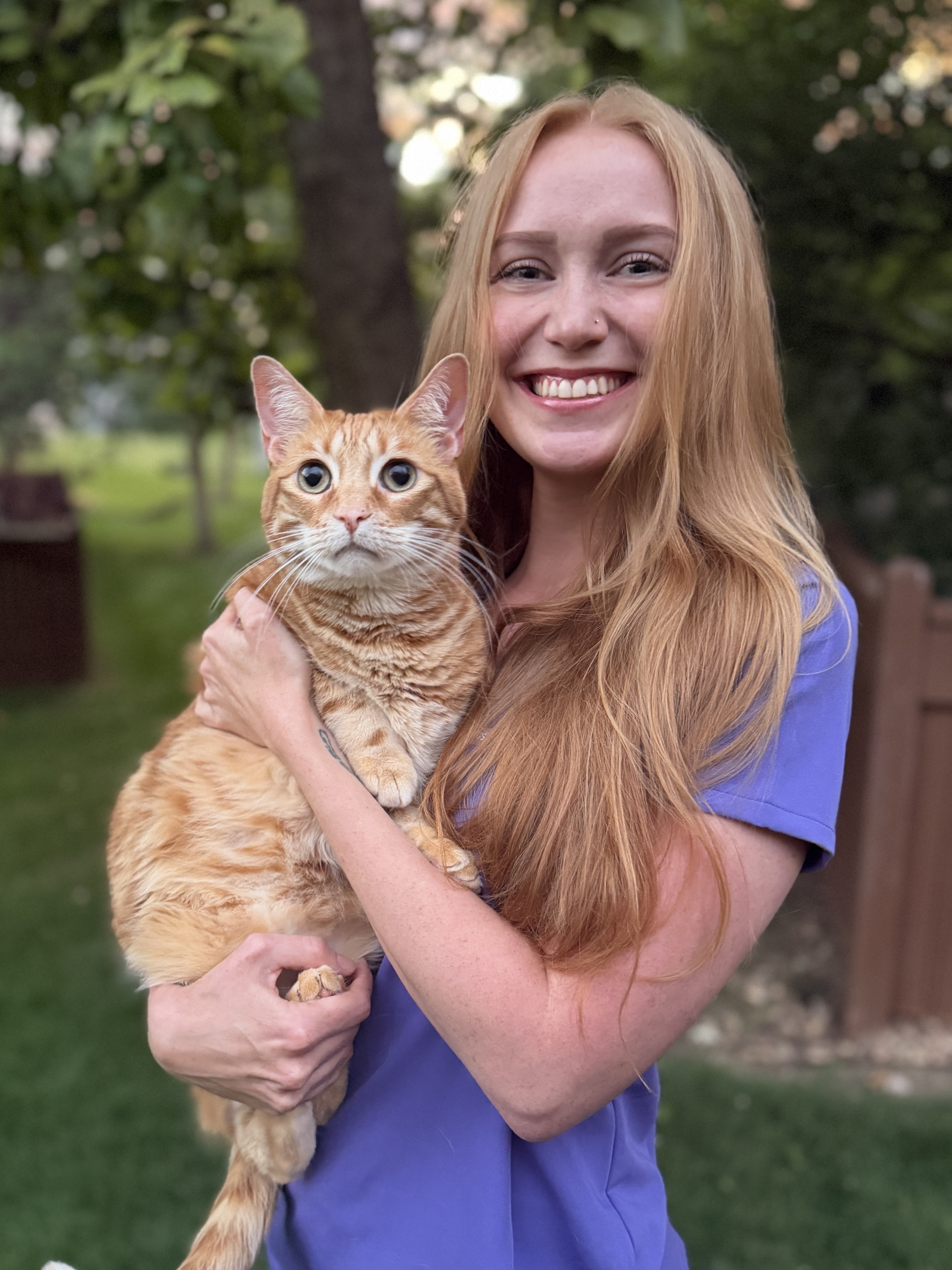 “My passion for animal welfare began with my first job as an intake technician at a nonprofit humane society, where I saw the difference that accessible, compassionate care could make for animals and humans alike. I recognized that advocating for animals means welcoming the perspectives and lived experiences of the people who care for them, an idea central to HumaneVMA’s mission. I am fortunate to volunteer with the Immigrant and Refugee Center of Northern Colorado, where the absence of resources in multiple languages is just one of many barriers to care faced by refugees. As an assistant in an English language class, I help individuals build confidence to communicate and advocate for themselves and their animals. To support this work, I earned a bachelor’s degree in Spanish Translation and Interpretation and am enrolled in CSU’s Spanish for Veterinarians certificate program.
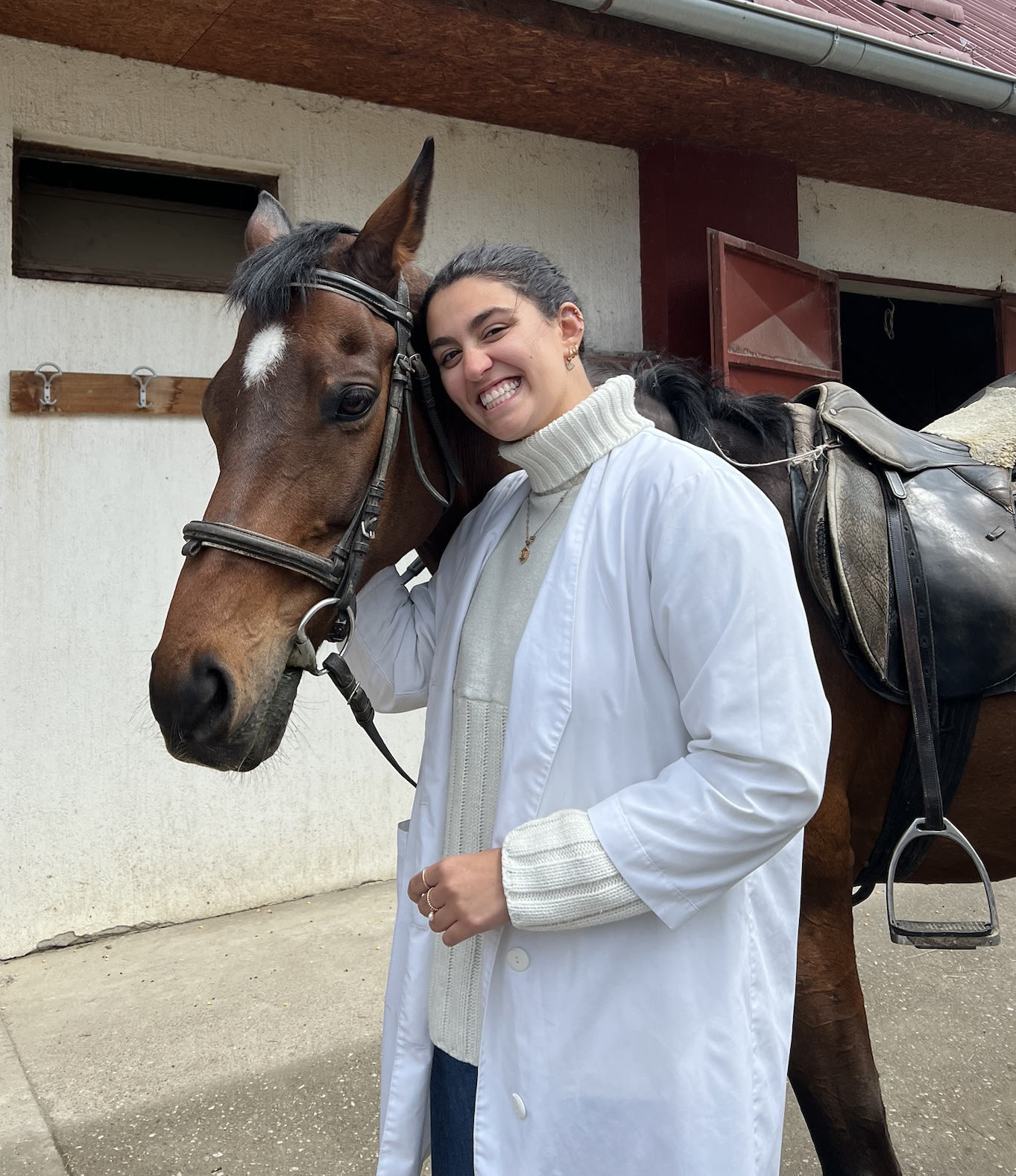 “My passion for animal welfare has grown through experiences in shelter medicine, community outreach, and an internship within HumaneVMA. As an active member of HumaneVMA, I have found a community that reflects the values that originally drew me to veterinary medicine advocacy and a commitment to improving the lives of animals through systemic change. One of the most meaningful experiences of my veterinary education has been working with WisCARES, a clinic that provides veterinary care to pets of individuals experiencing homelessness and financial hardship. Through this experience, I have seen firsthand how deeply people care for their animals regardless of their circumstances. I have also learned that compassionate veterinary care requires understanding the challenges clients face and working collaboratively to keep both people and animals healthy.
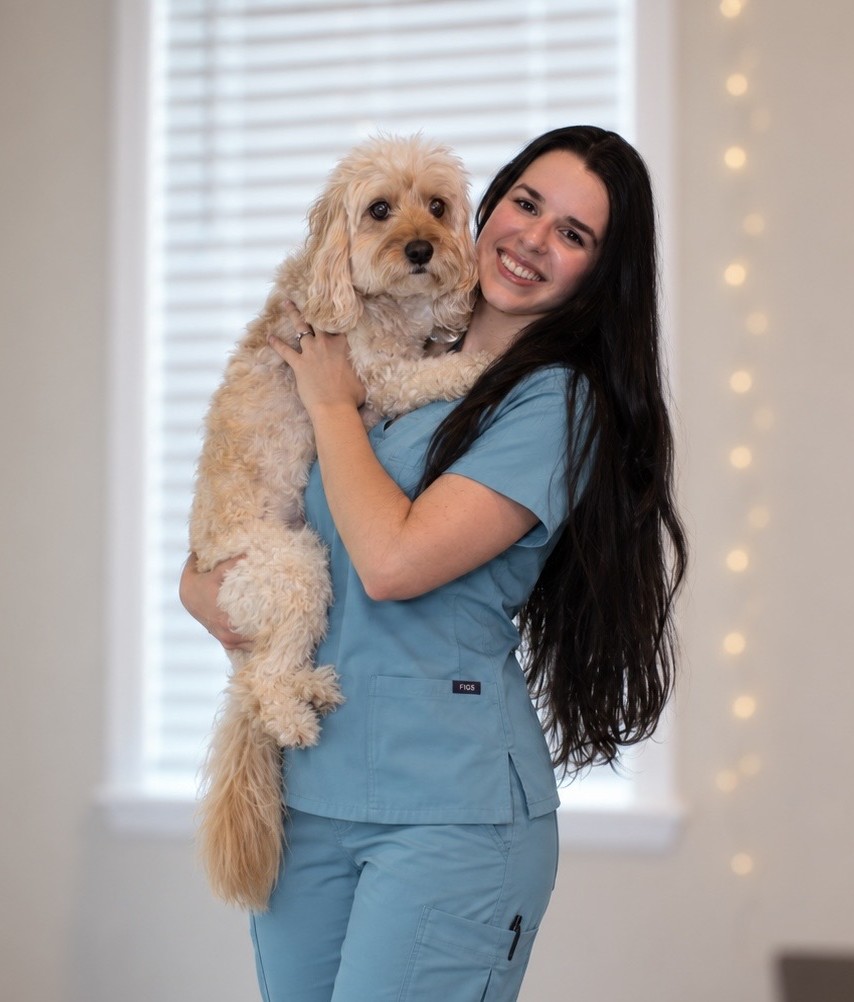 “My commitment to animal welfare is not aspirational. Years as a Certified Veterinary Technician and Fear Free professional have taught me to unite technical excellence with humane, low-stress, nonjudgmental care. Through Operation Catnip, UF’s Veterinary Community Outreach Program, and the PAWS Clinic, I have helped deliver care grounded in prevention, affordability, and respect. These programs showed me that a spay, vaccine, examination, or compassionate conversation can prevent suffering, preserve the human animal bond, and address overpopulation at its source.
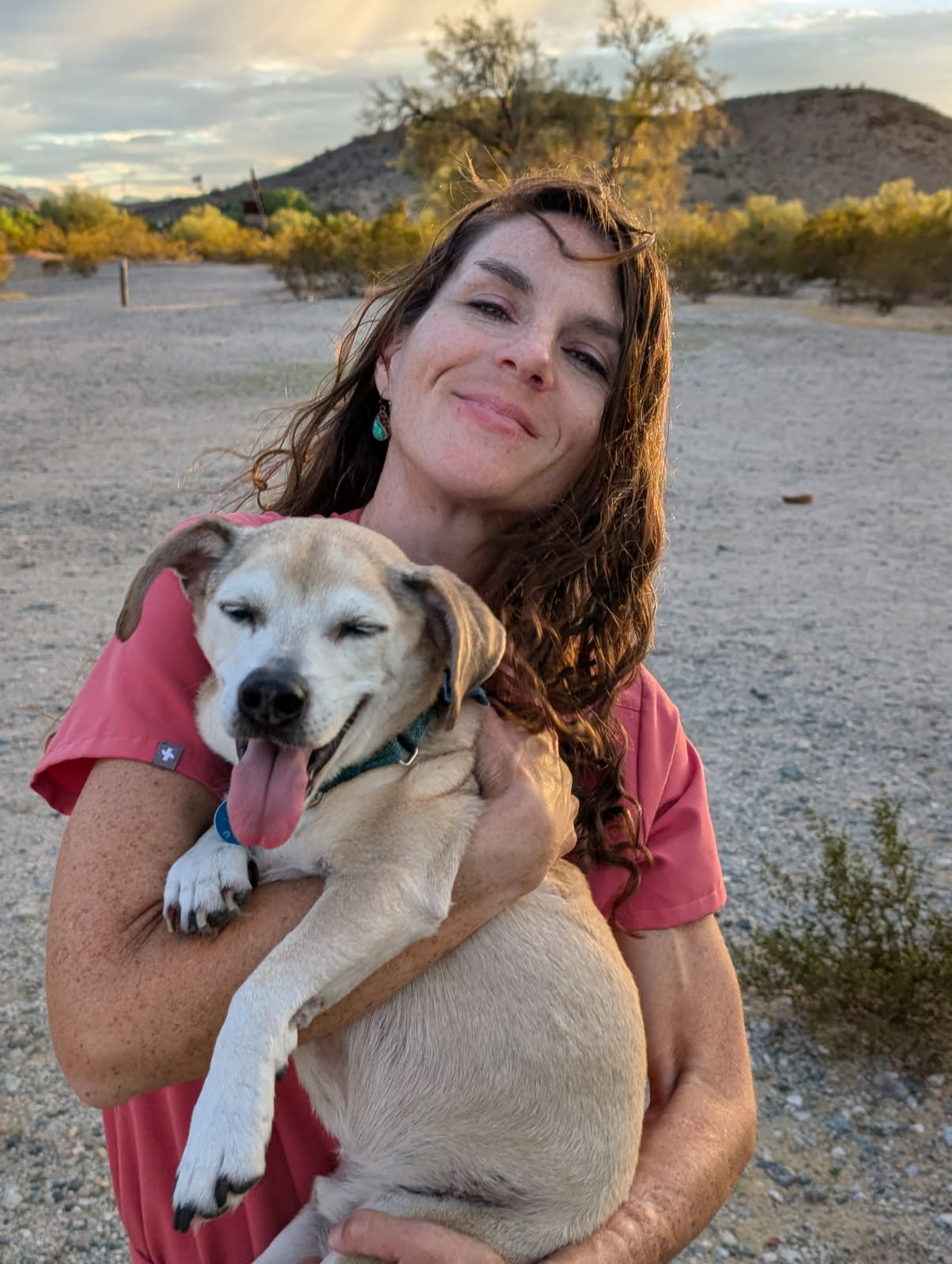 "Striving to serve the underserved is the lifeblood of my veterinary journey. Before matriculation, I volunteered hundreds of hours with organizations that bring spay, neuter and wellness services to Native American and unhoused communities – and nothing has ever made me feel happier. Through the thrill (and exhaustion) of being a student of veterinary medicine, a wife and a mother to two daughters, I have continued to volunteer as much as possible. I hold close to my heart my time volunteering with “Project Resolution” a program through Arizona Humane Society that brings veterinary services to the homes of the pets of people that lack transportation or the financial means to obtain veterinary care for their pets. This volunteer experience has left me deeply inspired. Programs like “Project Resolution” are the initiatives needed to heal society.
News
Help Protect Farm Animals!
Join 700+ veterinary professionals in signing the letter to oppose the Save Our Bacon Act inclusion in the Farm Bill.
HumaneVMA is the veterinary division of Humane World for Animals.